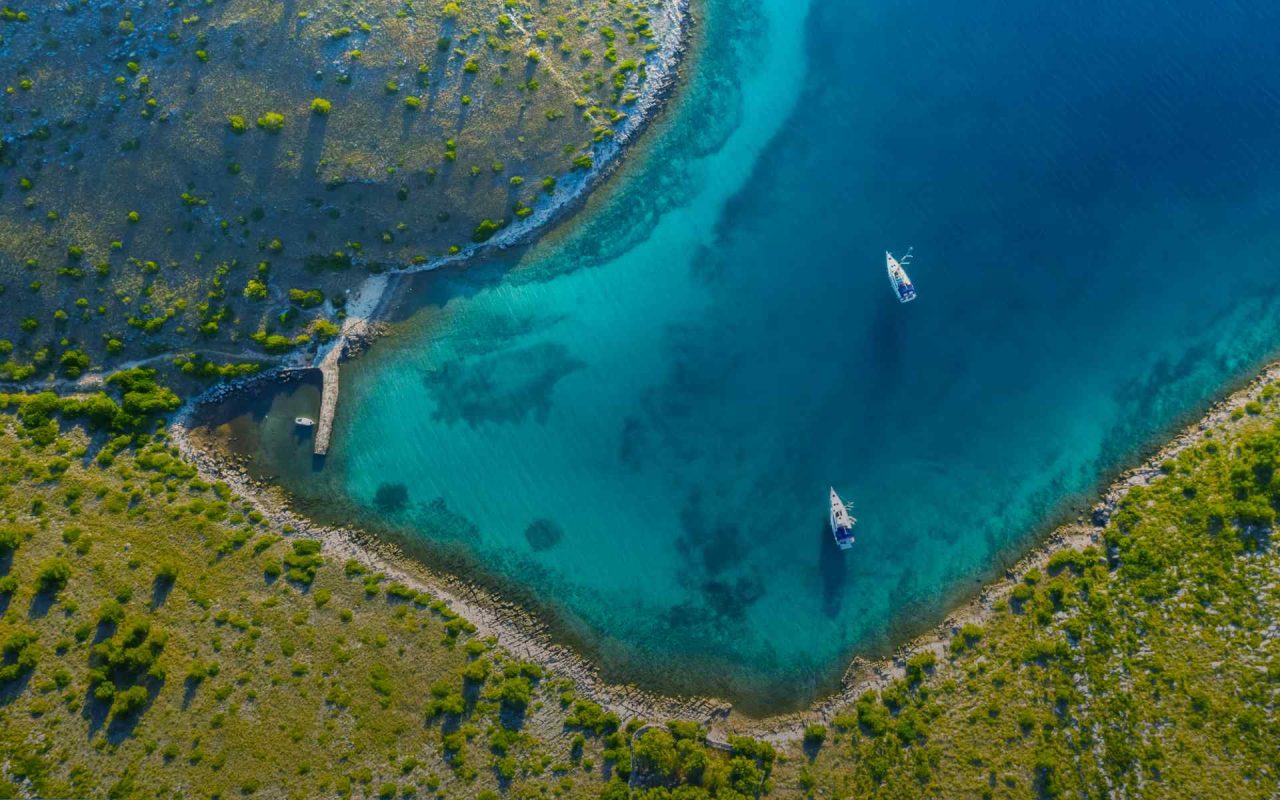
Navigating a rubber boat is an exciting experience that allows you to explore beautiful marine landscapes, hidden coves, and coastal spots accessible only by sea. It is also one of the best options for beginners: the rubber boat is considered the safest vessel on the sea, so much so that it is used by most rescue boats. Its lightweight structure and great stability make it easy to maneuver, with less rolling and pitching compared to other boats. Additionally, its speed and maneuverability allow you to better handle emergency situations. However, if you’re a beginner, you may feel a bit unsure about how to handle the vessel and navigate safely. The good news is that you don’t need to be an expert to have fun and relax on the sea: just follow a few basic tips to avoid mishaps and make the most of your experience. In this article, you will find 5 practical tips specifically designed for beginners who want to get into rubber boat navigation without stress.
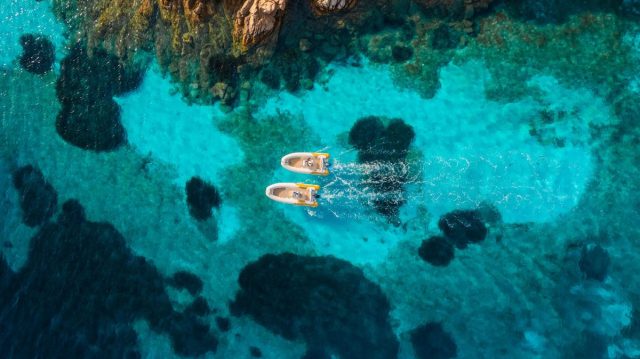
1. Always check the equipment before departure
Before untying the moorings, make sure you have the following onboard:
- Life jackets for all passengers
- A life ring or buoy (mandatory)
- An anchor and rope in good condition
- Sufficient fuel for the planned route
If you rent a rubber boat from Isola Nera, our team ensures that every boat is always equipped and ready to sail in complete safety. Each boat is thoroughly checked before delivery to guarantee you more peace of mind. What you will need to do is a quick check of the propeller and a general look at the boat’s condition. Additionally, before departure, our staff provides a clear and detailed explanation of the main maneuvers, safety rules, and how to handle any unexpected situations at sea. This also allows beginners to approach navigation with greater confidence.
2. Study the route and weather conditions
It’s not enough to know where you want to go; you also need to know the route. Check the sea and wind conditions before departure. It’s important to know that with winds around 10-15 knots (20-30 km/h), navigation can become much more difficult. With winds over 15 knots (more than 30 km/h), it’s definitely better to postpone the trip, as it can be dangerous. If you’re a beginner, relying on an experienced rental provider will allow you to receive valuable advice on the safest routes and areas to avoid based on weather conditions, or even reschedule your booking to ensure a pleasant day at sea.
If you’re new to this, it’s important to take advantage of all the tools available to make navigation safer. Using a navigation app can help, but to make things even easier, we suggest keeping one of our customized maps onboard with all the points of interest and marked rocky areas. It will help you navigate better and enjoy a more peaceful journey.
3. Navigate at a moderate speed
The 40-horsepower rubber boats provide great thrust, but safety comes first. Remember that the rubber boat has no brakes and always takes a few meters to come to a full stop due to its momentum. Therefore, maintain a speed that allows you to stop in case of sudden obstacles. Remember: near the coast, the speed limit is 5 knots. The speed limit inside ports and channels is 3 knots (generally at the minimum throttle).
4. Watch out for the seabed and rocks
Rocky seabeds are one of the most common dangers. In Sardinia, the water is always crystal clear, which is definitely an advantage for visually assessing (with the naked eye) whether it’s safe to move away from the coast. Generally, if you maintain a safe distance from the coast, you are unlikely to encounter any dangers. However, if the goal is to get closer to the coast, it’s good practice to slow down to a maximum of 5 knots, with the throttle almost at minimum, and approach slowly while keeping an eye on the seabed ahead.
In any case, if you’re approaching the coast, it could mean you’re planning to anchor and relax in a cove or take pictures of the coastline. In this case, having a travel companion is helpful. Someone at the bow can keep an eye on the situation for several meters ahead and give vocal directions for the maneuvers to be made.
5. Safety distances
To protect yourself and others:
- Keep at least 300 meters from crowded beaches.
- Stay 100 meters away from divers marked with a red flag with a white stripe.
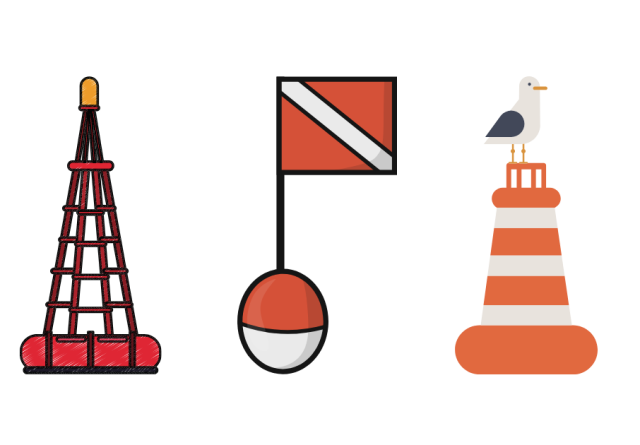
By following these simple rules, you can enjoy a worry-free day at sea.
If you want to experience the sea in complete peace and without worries, you can count on us at Isola Nera. Our rubber boats are the ideal choice for those who want to explore the coast without the need for a boating license. Each vessel is new, subjected to strict technical checks, and maintained to a high standard of cleanliness. This means that before every outing, our staff carefully inspects the engine, propeller, and all onboard instruments, so you can focus only on fun and exploration. With Isola Nera, your safety and relaxation always come first.
We’re waiting for you for an unforgettable adventure!
Happy sailing!